
The Art of Lighting: Placement and Temperature
A comprehensive guide to elevating your home's ambiance through strategic illumination.
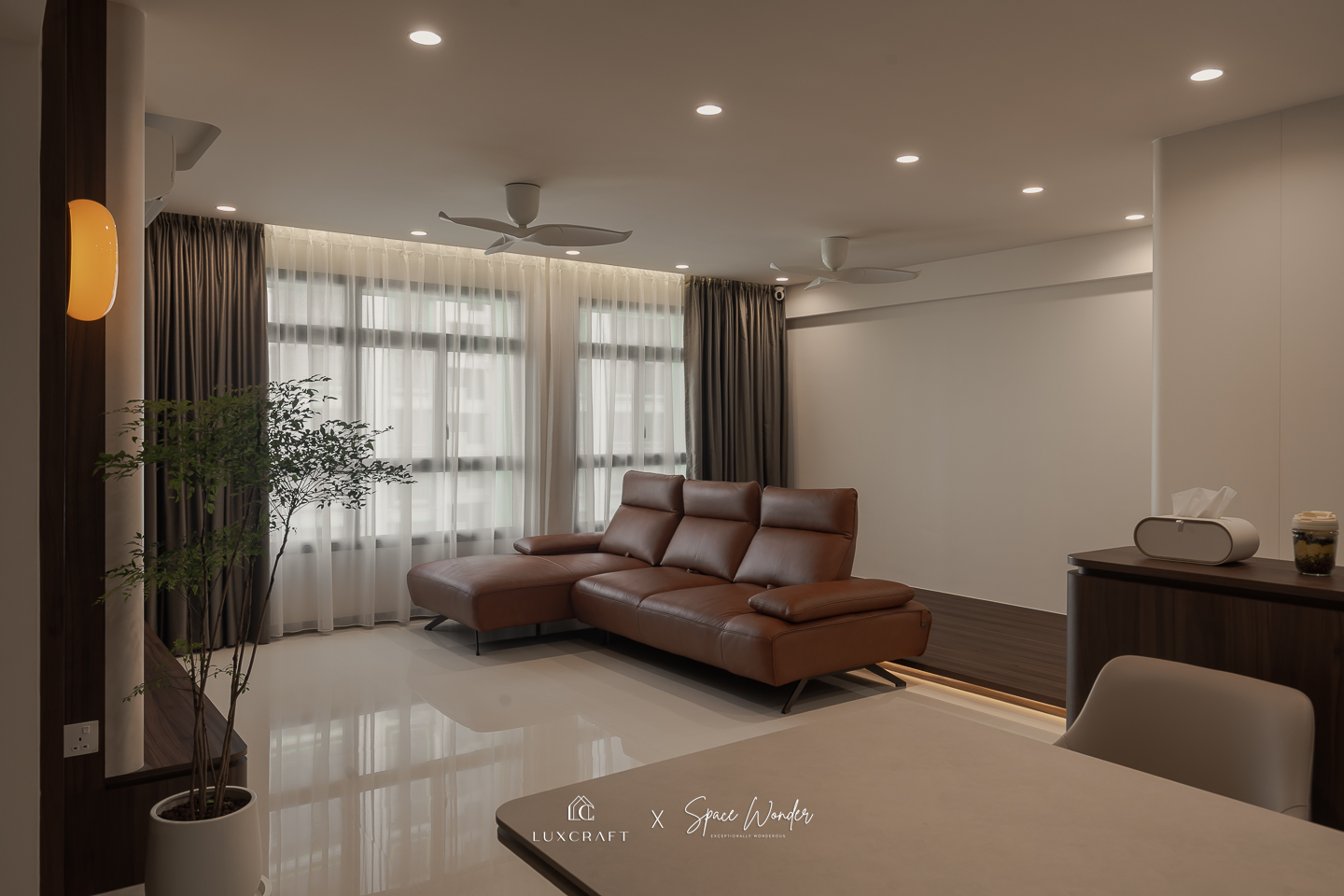
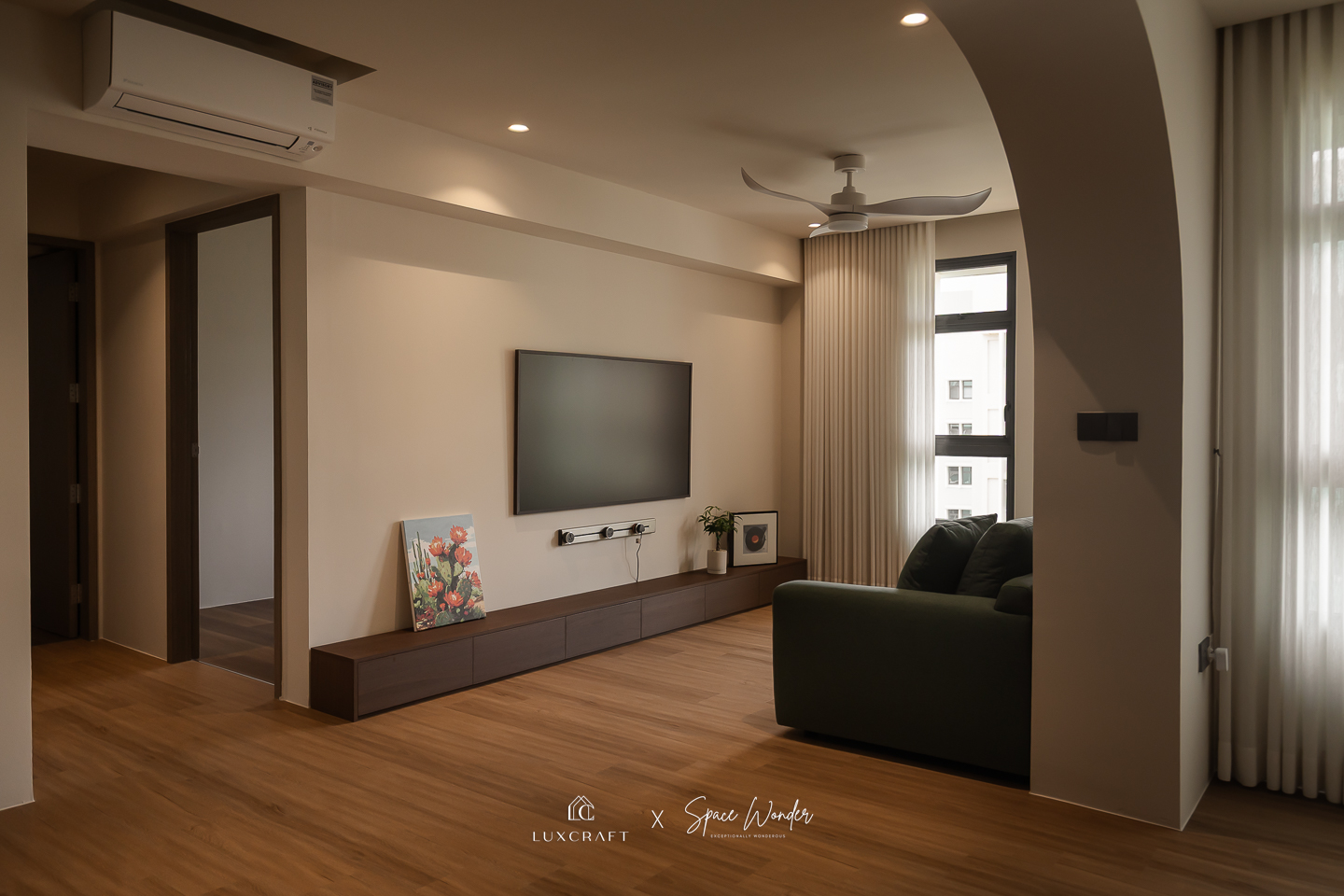
When embarking on a home renovation journey in Singapore, it is easy to get caught up in selecting the perfect tiles, deciding on bespoke carpentry profiles, or agonizing over paint swatches. However, one of the most transformative yet often overlooked elements of interior design is lighting.
At LuxCraft, we believe that lighting is not just about functionality; it is an art form. The right lighting placement and color temperature can completely alter the mood, perceived size, and overall aesthetic of any room.
Understanding Color Temperature (Kelvins)
Before deciding where to place your lights, you must understand color temperature, measured in Kelvins (K). The temperature dictates the "feel" of the light emitted.
- Warm White (2700K - 3000K): Emits a cozy, yellowish glow reminiscent of traditional incandescent bulbs. Perfect for living rooms, bedrooms, and dining areas where relaxation is the goal.
- Cool White (4000K - 4500K): A neutral, clean white light. Ideal for kitchens, bathrooms, and study rooms as it provides clarity without being overly harsh.
- Daylight (5000K - 6000K): A bluish-white light that mimics noon sunlight. This is highly stimulating and is best reserved for task-heavy areas like laundry rooms or inside deep wardrobes.
The Three Layers of Lighting
A professionally designed space never relies on a single light source. Instead, it utilizes a layered approach to create depth and versatility.
1. Ambient Lighting (The Foundation)
Ambient lighting provides overall illumination to a room. In Singaporean homes, this is typically achieved through downlights, cove lighting, or a central ceiling fixture.
LuxCraft Tip: Instead of placing downlights in a simple grid, align them with the architecture of the room or the placement of your furniture to avoid harsh glares and unwanted shadows.
2. Task Lighting (The Function)
As the name suggests, task lighting is localized lighting intended to help you perform specific tasks. Think under-cabinet LED strips in your kitchen, a reading lamp beside your armchair, or a pendant light hanging low over the dining table.
3. Accent Lighting (The Drama)
Accent lighting is used to highlight architectural features, artwork, or textured walls. Track lights directed at a feature wall or LED strips hidden behind a floating mirror in the bathroom fall into this category. It adds a layer of luxury and sophistication to your home.
Room-by-Room Recommendations
The Living Room: Aim for a layered approach. Use warm white cove lighting for everyday relaxation, complemented by a striking pendant or standing lamp for visual interest. Ensure the TV area is not overwhelmed by glare from overhead downlights.
The Kitchen: This is a workspace. Cool white under-cabinet lighting is essential for food preparation. For the general ambient light, you can maintain a cool white temperature to keep the space looking crisp and clean.
The Bedroom: Prioritize comfort. Warm white lighting is a must. Consider bedside wall sconces instead of table lamps to save space, and ensure all main lights are dimmable.
Lighting design requires precision, technical knowledge, and an artistic eye. If you are planning a renovation and want to ensure your home is illuminated to perfection, reach out to the LuxCraft team today.